With so much personality and intention poured into every other page on your website, how come Contact pages always end up looking like a barren afterthought?
Think about it:
Your dream client has spent the last twenty minutes browsing your site, genuinely loving what they see and getting more excited with every scroll—and then they land here, ready to finally reach out.
This page is the very last thing standing between “I love this” and an actual inquiry in your inbox. That’s exactly why it shouldn’t be a bare-bones “get in touch” form with a name field and a prayer.
Your Contact page is the last real chance to make an impression on your ideal client before they hit send—or, just as easily, quietly close the tab instead.
So let me show you how to write a contact page properly, section by section, with real contact page examples you can adapt for your own site.
What to Include on Your Contact Page
Here are the five elements every genuinely effective Contact page needs:
- An instructional hook
- Collab outreach info
- A contact form or booking calendar
- FAQs (optional, but genuinely useful)
- A final CTA that invites people to stay, even if they’re not ready to reach out yet
Let’s break down exactly why each one matters and what it should actually look like in practice.
1. The Instructional Hook
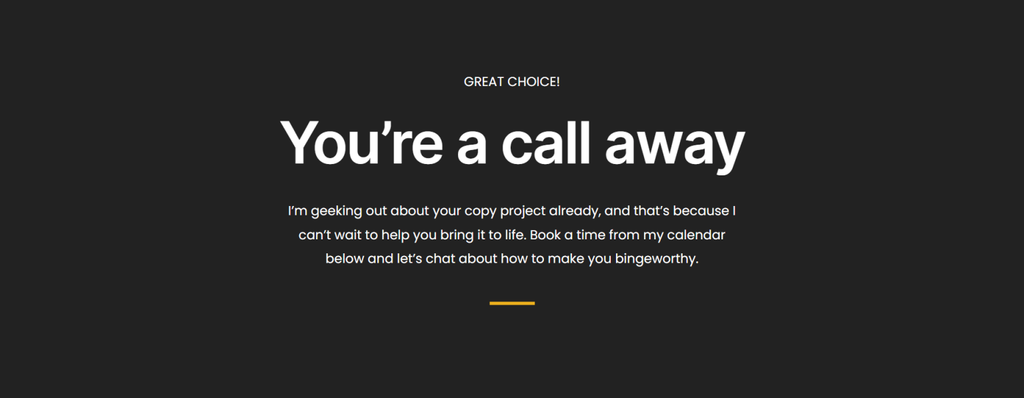
Someone just clicked on your Contact page. That single click means something—they’re interested enough to take an action, not just passively scroll.
This is exactly where your personality needs to show up, paired with a clear expectation of what happens right after they reach out.
Here’s a contact page example of what that could sound like:
“Woohoo! You made it to our contact page. We’re doing a little happy dance over here because we can’t wait to hear about your project. Usually, we get back to folks within 24 hours (48 max. if we’re having an unusually busy day). So hang tight, and we’ll be in touch before you know it!”
Notice what’s happening there: It’s warm, it’s a little playful, and it immediately answers the unspoken question every single person has the second they consider reaching out—”Okay, but what happens after I do this?”
Clarity paired with personality is what makes this section actually work, rather than just existing because every website is supposed to have one.
Want more inquiries and sales from your website? Grab the Fix Your Copy Guide for five tips to instantly make your website copy ~at least~ 5x better.
2. Collab Outreach Info
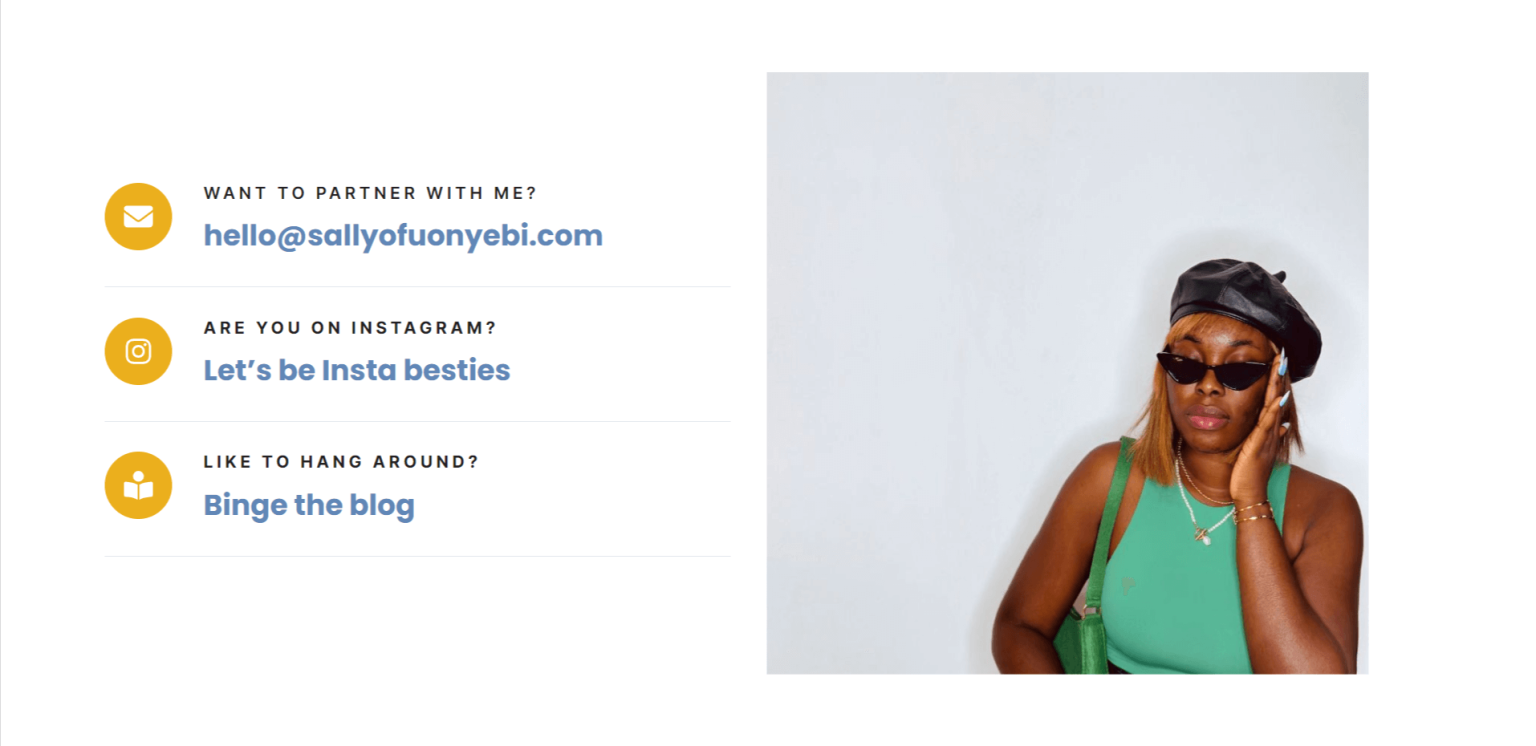
This section quietly gets skipped on a lot of Contact pages, and it shouldn’t be.
It’s specifically for the people who aren’t reaching out to become a client. They want to feature you as a guest speaker, propose a collaboration, or just genuinely say hello because they love your good work.
Give them a direct, obvious way to do that, separate from your main inquiry form.
Here’s a simple example you can swipe
“Psst… if you’re here about a speaking gig or potential collab, shoot us an email at hello@yoursite.com. We love making new friends!”
Without this section, collaboration opportunities either get funneled awkwardly through your main client inquiry form (creating confusion on your end), or they simply don’t reach out at all because there was no obvious door for that specific kind of message.
3. A Contact Form or Booking Calendar
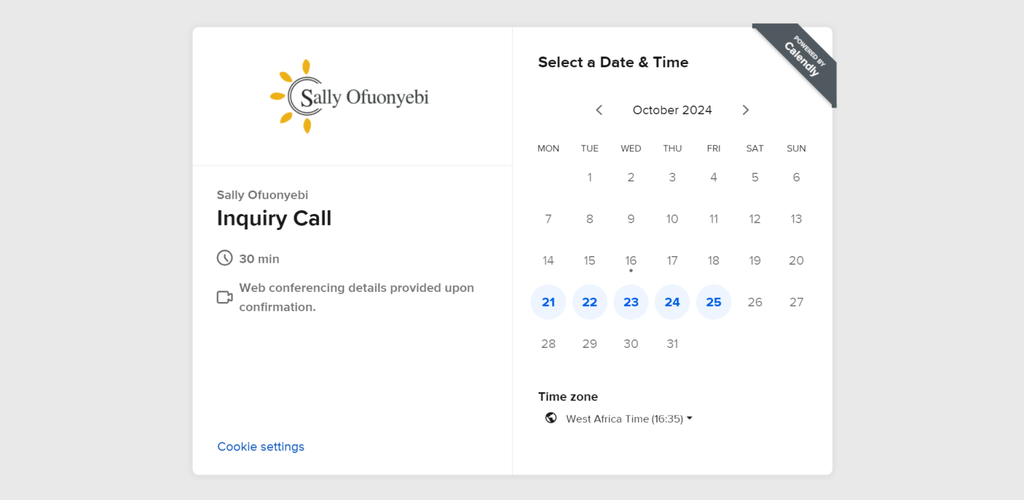
Here’s where you actually give people a way to reach you—either a contact form they fill out for you to review and respond to or an embedded booking calendar that lets them go straight to scheduling a call.
If you go the form route, think beyond just name and email.
What do you actually need to know to give someone a genuinely useful response or to determine whether you’re the right fit for their specific situation?
Then, ask for it directly. This could be the project type, budget range, timeline, or whatever actually helps you respond meaningfully instead of with a generic “Thanks, I’ll be in touch.”
If you go the direct booking route, embed a calendar right on the page (you can use Calendly or Setmore). Consider pairing it with a short intake form right in the bookings app so you’re not walking into that first call completely blind.
4. FAQs (Optional, But Worth Considering)
If you keep answering the same handful of questions over and over before someone even books a call, a short FAQ section on your Contact page can save your future leads the hassle of asking—and save you the repetition of answering.
This isn’t strictly required on every Contact page. If you’ve already got a solid FAQ section living elsewhere, like on your services or sub-services pages, you don’t need to duplicate it here.
But if your Contact page is the first real touchpoint for those questions before someone decides to reach out, having a few quick answers here can genuinely help.
This section matters because clarity gets you qualified leads.
Once someone’s actual questions are already answered, the people who do reach out tend to already understand what they want and whether you’re a fit—which means more qualified inquiries landing in your inbox.
5. Your Final Call-to-Action

Not everyone who lands on your Contact page is ready to reach out immediately.
That doesn’t mean they’re not interested. It just means the timing isn’t quite right yet, and if you don’t give them anywhere else to go, they simply leave, and you lose them entirely.
This is where a secondary, lower-commitment offer comes in—something free or low-cost that keeps them connected to you even if they’re not ready for the bigger ask.
It could be a newsletter signup, an invite to your Facebook community, or a link to book a strategy session instead of a full project inquiry.
Think of your final CTA as an invitation to stay, specifically aimed at the people who aren’t ready to formally reach out yet. You’re not losing them by acknowledging they might need more time — you’re keeping the door open instead of letting it close entirely.
Write Your Contact Page
To recap what a genuinely well-built Contact page actually contains, here’s the shape of it end to end:
A warm, expectation-setting opener → a clear path for collabs and partnerships → an easy way to actually reach you (form or calendar) → a few quick answers to common questions → and a lower-commitment invitation for anyone not quite ready to inquire yet.
None of these five elements exist just to fill space. Each one is doing a specific thing—setting expectations, routing the right inquiries to the right place, actually capturing the lead, pre-qualifying interest, and catching the people who aren’t ready yet so you don’t lose them entirely.
Contact pages are chronically underrated, but they’re a genuine opportunity—a chance to reconnect with everything your dream client has been loving about your brand so far and give them one final, confident reason to actually reach out.
So make yours welcoming. Make it guiding. And most importantly, make it unmistakably you.
Write a Site That Converts
Want a copy resource to help you write a conversion-driven website for your business? Grab my Website Copy Template.
And if you’d rather have your dream website written for you, check out my website copywriting solution and let’s start your project.
Want more inquiries and sales from your website? Grab the Fix Your Copy Guide for five tips to instantly make your website copy ~at least~ 5x better.
Here are other copy template posts to write your site: