Here’s everything you need to know about the 75 Hard Challenge rules.
Every January, my feed fills up with the same thing.
Sweaty selfies. Gallon water jugs. Someone reading ten pages of a self-help book in a car at 5:45 am. And a caption that says something like “Day 1 of 75 Hard. Let’s gooo.”
If you’ve seen it and thought, okay, what IS this, and could I actually do it?, this guide is for you.
75 Hard is one of the most popular (and most intense) self-improvement challenges on the internet. It’s 75 days of strict daily rules, with zero days off, and one big catch: miss a single task, and you start over from Day 1.
Below, I’ll break down every rule, what counts and what doesn’t, how to prepare so you actually make it past week two, and what happens after Day 75.
Get the free 75 Hard Challenge printable tracker. Every rule, all 75 days, in one printable tracker that you can tick off each day and watch your streak grow. Click here to get the tracker.
What is the 75 Hard Challenge?
The 75 Hard Challenge is a mental toughness program created by entrepreneur and podcaster Andy Frisella and designed to help you become the best you can be in only 75 days.
Here’s the thing most people miss:
Frisella has described 75 Hard as a mental toughness program, not a fitness program. Yes, you’ll work out twice a day and follow a diet. But the real goal is to build discipline, confidence, and grit by proving to yourself that you can keep a promise every single day, no matter how you feel.
That’s also why the rules are so strict.
There are no modifications, no substitutions, and no “I’ll make it up tomorrow.”
The 75 Hard Challenge Rules
The rules of 75 Hard do not allow you to cheat or compromise. If you slip up on any one of this list, you have to start all over from Day 1.
Here are the rules of the challenge:
Let’s break each one down.
1. Two 45-Minute Workouts (One Outdoors)
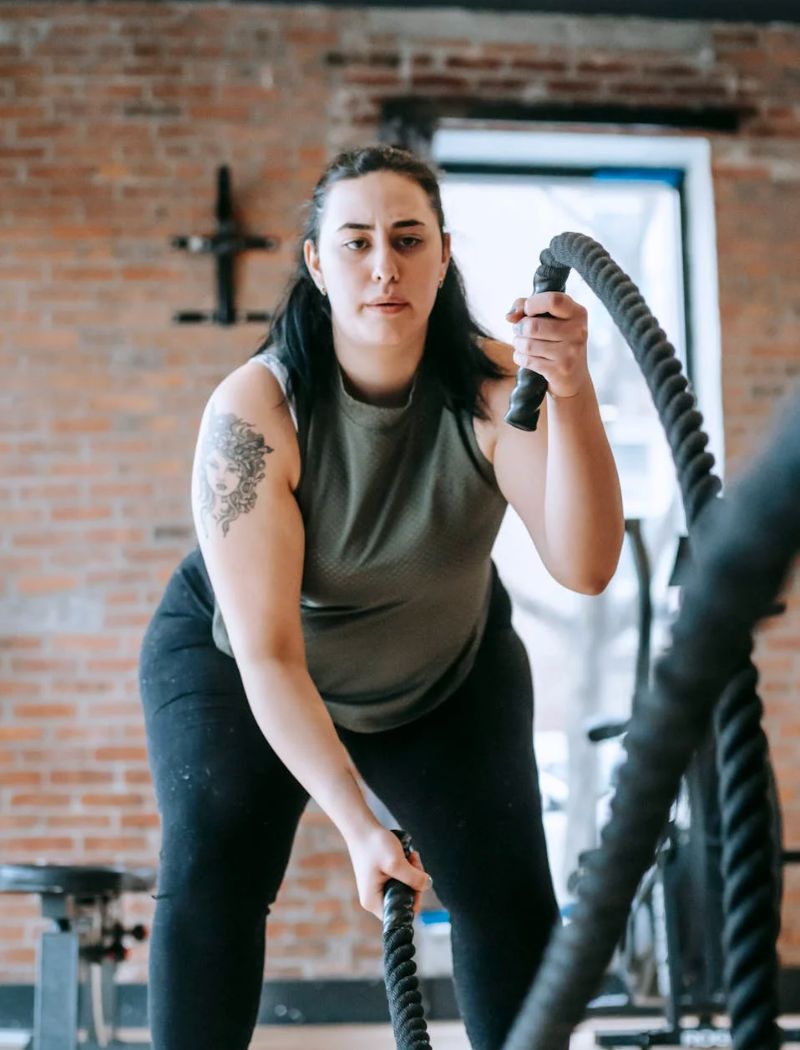
You need two separate workouts every day, each at least 45 minutes long. One must be outside, whatever the weather. Rain, snow, heat: it doesn’t matter.
The workouts can be anything: walking, running, strength training, cycling, yoga, hiking, a dance class. Many people do one harder workout and one lighter one, like a walk, so their body can recover.
Here are some outdoor workout ideas:
- A brisk walk or hike
- A run or jog
- An outdoor bike ride
- Bodyweight circuits in a park
- Stair climbing in your neighborhood
- Outdoor yoga or stretching
- Swimming outdoors, when the weather allows
- Playing a sport: tennis, basketball, pickleball
2. Follow a Diet (No Cheat Meals, No Alcohol)
75 Hard doesn’t tell you which diet to follow. You choose one that fits your goals, whether that’s eating more whole foods, cutting sugar, or a structured plan from a professional.
What matters is that you pick one and stick to it, 100%, for all 75 days. That means:
- No cheat meals. Not even on your birthday (sorry).
- No alcohol. Not even one glass at a wedding.
Pro tip: choose something sustainable. A super-restrictive plan is much harder to follow for 75 days than a balanced one. If you have health conditions, talk to a doctor or registered dietitian before you change how you eat.
3. Drink a Gallon of Water
That’s 128 ounces, or about 3.8 liters, every day.
It sounds like a lot because it IS a lot, especially at first. The trick is to spread it out instead of chugging it all at night.
Water intake tips:
- Get a gallon jug with time markers on the side (like this).
- Drink a full glass of water — preferably warm — as soon as you wake up.
- Aim to finish half by lunchtime.
- Stop drinking a couple of hours before bed, unless you’re like me and wake up *even* at the wee hours to drink water, which always sends me to the bathroom one to two times before the day breaks.
4. Read 10 Pages of Nonfiction
Every day, read at least 10 pages of a nonfiction book. Most people choose self-development, business, or personal growth books.
Two things to know:
- It has to be nonfiction.
- Audiobooks don’t count under the official rules. It has to be actual reading.
75 Hard Books
Need some recommendations? Here are seven good books for 75 Hard:
5. Take a Daily Progress Photo
Take one photo every day to track your physical changes.
You won’t see much difference from Day 1 to Day 2. But comparing Day 1 to Day 75? That’s when it gets wild.
Take the photo in the same spot, postures, lighting, and at the same time of day, so the comparisons are fair.
What Happens If You Miss a Rule?
You start over. Back to Day 1.
It doesn’t matter if you’re on Day 3 or Day 73. Miss a workout, skip your reading, have one drink, or forget your photo, and the count resets.
I know it sounds harsh, and it is. But that’s the point. The restart rule is what turns 75 Hard from a fitness challenge into a test of commitment.
So, what counts as missing a rule?
- Missing a task completely is missing it (obvi—)
- Doing a task partially counts as missing it. A 40-minute workout instead of 45, or 7 pages instead of 10, means you restart.
If that sounds like too much right now, that’s completely okay. The 75 Soft Challenge is a gentler version with more flexible rules.
Free 75 Hard Challenge Tracker
The easiest way to make it through 75 days is to see your progress.
My free 75 Hard Challenge Printable includes:
- All five daily rules on one page
- A checklist for all 75 days
- Space to reflect on what’s happening… what you’re noticing… how you’re doing
Print it, put it somewhere you’ll see every day, and tick off every task before bed.

How to Prepare for 75 Hard
Most people who fail 75 Hard don’t fail because they’re weak. They fail because they didn’t plan. Here’s how to set yourself up:
Pick Your Start Date
Choose a date when you can realistically commit for 75 days. Count forward and look for anything that might trip you up, like holidays, travel, weddings, or big work deadlines. Then make a plan for each one before you start.
Lots of people start on January 1st. Just know that starting on January 1st means a dry, cheat-meal-free Valentine’s Day.
Choose Your Diet
Decide exactly what you will and won’t eat before Day 1. Write it down. Vague plans (“eat healthier”) are too easy to bend.
Plan Your Workouts
Sketch out a weekly plan. Mix harder and easier sessions, and decide when each workout fits into your day. Morning and evening is the most common split.
Set up your water system, as this can be an easy rule to miss. Buy a gallon jug or a big marked water bottle, and keep it with you all day.
Pick Your Books
Line up your first two or three nonfiction books so you’re never scrambling for something to read.
Know Your “Why”
Write down your personal reasons for doing this challenge. A strong ‘why’ will keep you going in tough times.
- Is it to boost your confidence?
- Improve your health?
- Prove something to yourself?
During this time, identify potential obstacles (like social events or busy work periods) in advance and figure out how you’ll handle them.
Print Your Tracker
Download the 75 Hard Printable Tracker to help you stay consistent. It’s automated, so you can track every day progress on your computer.
Or if you’re an analog person, print out the tracker and put it somewhere you’ll see it every day — the fridge, your desk, or your bathroom mirror.
4. Find a Challenge Buddy
Ideally, partner with someone else doing the challenge. You can check in daily, share struggles, and celebrate wins together.
You can join online communities. Look for 75 Hard Challenge groups on social media. These groups will have support, tips, and motivation.
Before you start 75 Hard…
Consult your health care provider and a registered dietitian to make sure the challenge is safe for you and get personalized advice for your body. And if at any point you feel the challenge is harming your physical or mental health, re-evaluate and adjust as needed.
Benefits of 75 Hard
People who finish 75 Hard often say they come out with:
- More discipline. You learn to do things even when you don’t feel like it.
- More confidence. Keeping a promise to yourself for 75 days is a huge confidence boost.
- Better habits. Reading daily, moving more, and drinking water can stick long after Day 75.
- Mental toughness. You learn you’re capable of more than you thought.
- Physical changes. Many people see changes in their energy, fitness, and body.
Some Inspiring 75 Hard Challenge Results
Several participants have shared their 75 Hard Challenge before-and-after transformations on the web.
According to many, this mental and physical toughness challenge has transformed people’s lives in different areas. These include:
- Mental health
- Weight loss
- Body image issues
- Money habits
- Water intake
- Relationship with food
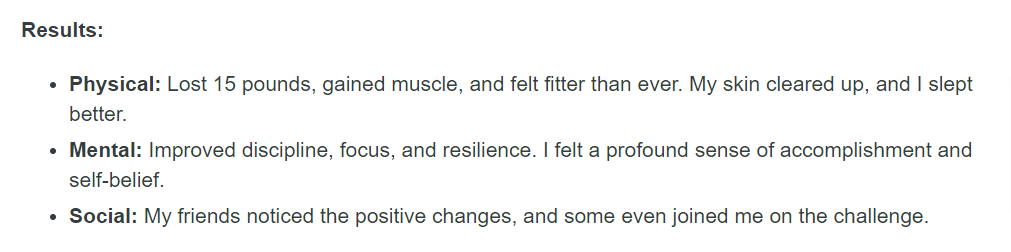
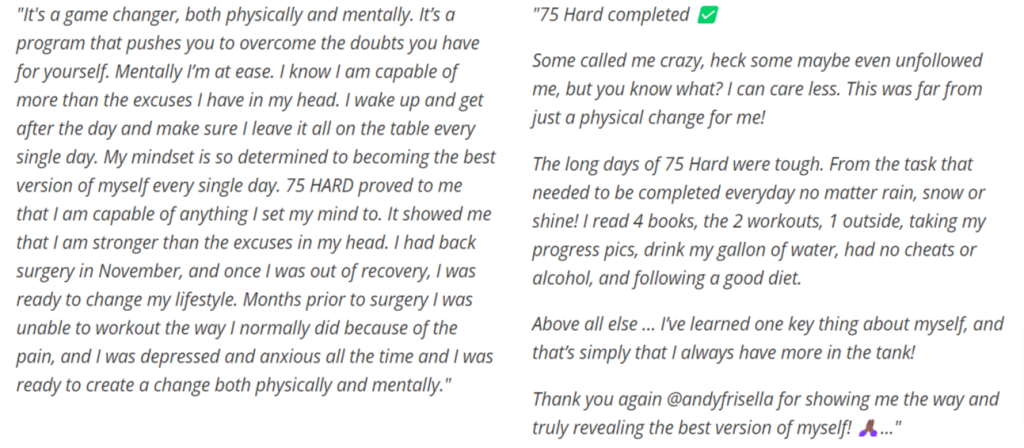
Because of 75 Hard, people are losing weight, getting toned, and feeling their best.
Who Should Think Twice About 75 Hard?
75 Hard is intense, and it isn’t right for everyone. It may not be a good fit if:
- You have a history of disordered eating. Strict food rules and daily photos can be triggering.
- You have a medical condition, are pregnant, or are recovering from an injury. Talk to your doctor before starting any intense program.
- You’re new to exercise. Two workouts a day can lead to injury or burnout if your body isn’t ready.
- You tend toward all-or-nothing thinking. The restart rule can make that worse.
- You’re in a demanding season of life, like a new baby, a big move, or a career change.
If any of these sound like you, there’s no shame in choosing a gentler path. Building habits slowly still counts.
Why Is 75 Hard Difficult? (+ an Easier Option)
Many people believe this 75-day challenge to be tough because it requires an incredible amount of discipline, time management, strictness, and mental fortitude.
You’re committing to a complete lifestyle overhaul for two and a half months straight. This is no easy task.
Some people struggle to finish the challenge.
Here’s what someone on Reddit said:
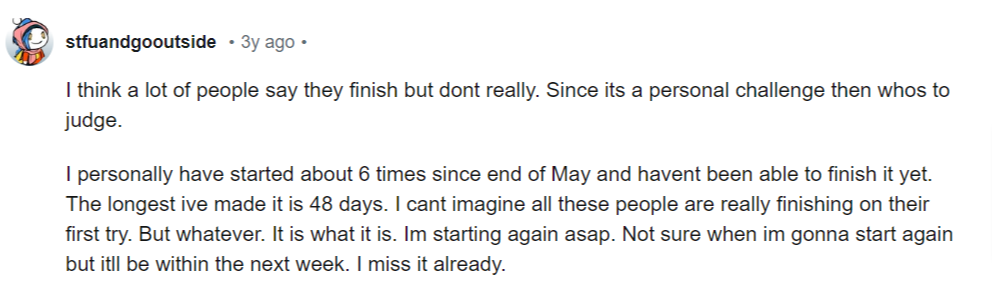
Although several participants swear by the transformative power of 75 Hard, it might be unsustainable for many in the long term.
If you think 75 Hard is tough, you’re not wrong. People who can’t handle this program usually opt for “the 75 Soft Challenge.”
This is the softer version of the original challenge. It maintains the core of 75 Hard, but it’s less intense. One workout a day, flexible dietary guidelines, and more wiggle room.
Who Should Avoid the 75 Hard Challenge?
As experts say, 75 Hard isn’t for everyone, especially:
- Those with a history of eating disorders: The strict dietary rules could trigger unhealthy behaviors.
- People with certain medical conditions: Always consult your doctor before starting any intense fitness program.
- Individuals with extremely busy schedules: The time commitment is big and could lead to burnout if you’re already spread too thin.
- Anyone prone to obsessive behaviors: The all-or-nothing nature of the challenge could exacerbate these tendencies.
- Those new to fitness: It might be better to start with something less intense and work your way up.
- People looking for quick results: This challenge is about long-term mental toughness, not rapid physical changes.
Tips for Surviving All 75 Days
- Prep the night before. Lay out your workout clothes, prep your meals, and fill your water jug.
- Do the hardest task first. Get your outdoor workout done early, before life gets in the way.
- Find an accountability buddy. Do it with a friend, a partner, or an online community.
- Plan for social events. Eat before you go, and bring your own drinks.
- Track everything. Tick off each task the moment you finish it, so nothing slips through.
- Listen to your body. Pushing hard is the point. Ignoring real pain or injury isn’t.
- Celebrate milestones. Day 7, Day 30, Day 50. Every one
75 Hard FAQ
Who created 75 Hard?
75 Hard was created by Andy Frisella, an entrepreneur and podcaster.
How many weeks is 75 Hard?
75 days is 10 weeks and 5 days, or roughly two and a half months.
Do audiobooks count for 75 Hard?
No. Under the official rules, you have to read 10 pages of a physical book or e-book. Listening doesn’t count.
Are there rest days in 75 Hard?
No. Both workouts are required every single day, for all 75 days. Many people make one of their daily workouts a lighter one, like a walk or gentle yoga.
What counts as an outdoor workout?
Any 45-minute workout done outside: walking, running, hiking, cycling, or a sport. It has to be outdoors, whatever the weather.
What happens if I mess up on 75 Hard?
You start over from Day 1, no matter which day you were on.
Is 75 Hard healthy?
It depends on the person. Many people find it motivating, but the intensity and strict rules aren’t right for everyone. Check with a healthcare provider before starting, especially if you have any health concerns.
What Happens After 75 Hard?
Finishing Day 75 is a huge achievement, but it’s just the beginning. Think about which habits you want to keep. Maybe it’s reading every day, or a morning walk. And stay consistent with it.
If you need something to help you stay on track past 75 days, get my free habit tracker printable PDF.
Ready for 75 Hard?
The 75 Hard Challenge isn’t really about the workouts, the water, or the photos. It’s about proving to yourself that you can do hard things, every day, even when nobody’s watching.
Whether you go all in or choose a softer path, the most important step is starting.
So pick your start date, grab your free tracker, and take complete control of your life in only 75 days.